


About Us
Handcrafted Beginnings
When this journey began, our goal was to create beautifully handcrafted items that reflect your unique style. Using ethically sourced furs and thoughtfully selected materials, each piece enhances natural beauty and embodies a blend of Scandinavian and Indigenous influences. Our commitment to ethical practices guide every creation.
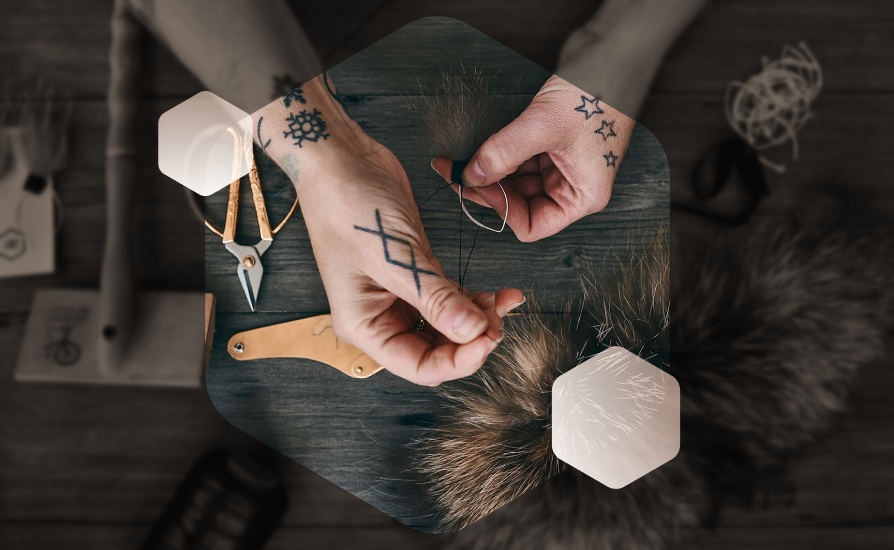
How it began
In the early days, this business began because I needed a job. But I also wanted purpose. This immediately included my then-boyfriend's input with regard to design, culture, ethical harvest, and reconciliation. We recognized the importance of education, sustainable practices, and total transparency. We've remained true to that throughout the various stages of growth and development of our companies and are proud of our commitment to integrity in our business practices.

Our Intention
When the doors of our first retail store opened in October 2018, I was at a crossroads in my personal life and I was hopeful that my new business would give me an opportunity to start over; a chance to redefine my working life. Having owned several small businesses since my teens paired with a lifelong love of textiles, it seemed almost too good to be true that I was going to be merging my love of business and marketing with the various textile practices I’d been exploring and mastering for decades. And to be able to integrate culture and connection to place gave this new venture the soul it needed to thrive.

Product Range
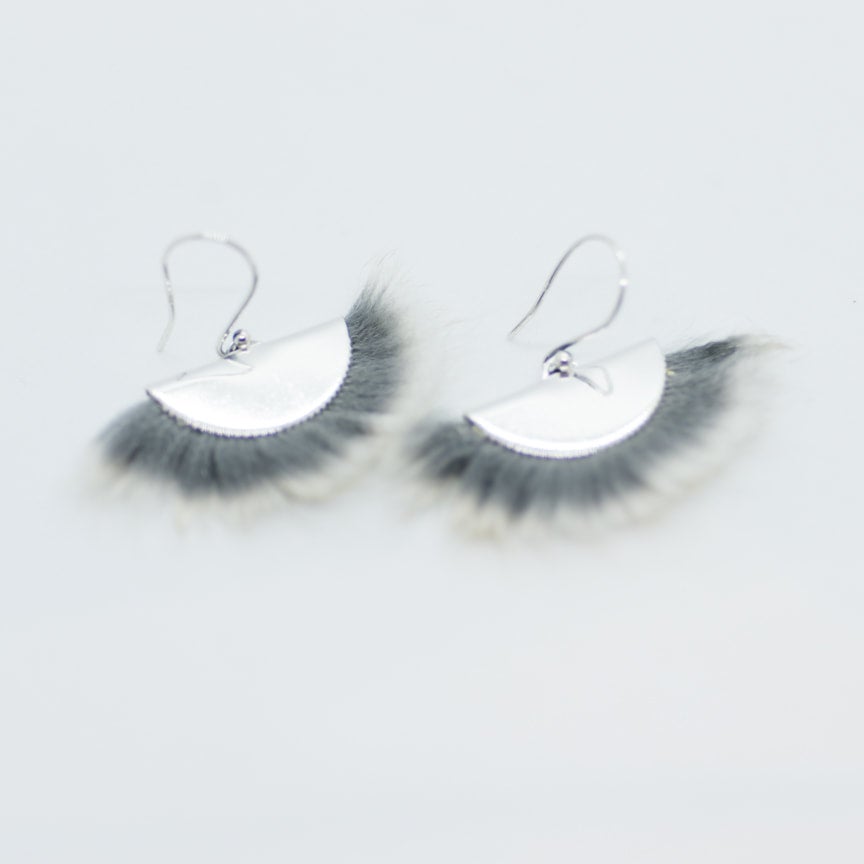
The products found in the physical store and the online store include the signature fur jewelry line, whole tanned furs, permanent jewelry, books authored by me, stationery, as well as original paintings and prints made with handmade earth pigment watercolours and botanical inks. We work with materials that are naturally coloured and create designs that are simple and understated which allows the texture and tone of the materials to be prominent.
The primary focus of our work is that it is reflective of place - where the work is created and often where the materials are sourced. The strong Scandinavian tone in my work exists thanks to both the time I spent in Iceland and to my Danish ancestry. The Indigenous influence is the result of my husband George supporting me in unlearning dominant society's world view and my own commitment to decolonizing my thinking and behaviour. Friends describe my style as "Scandigenous".
Featured Collections



Ethical Sourcing
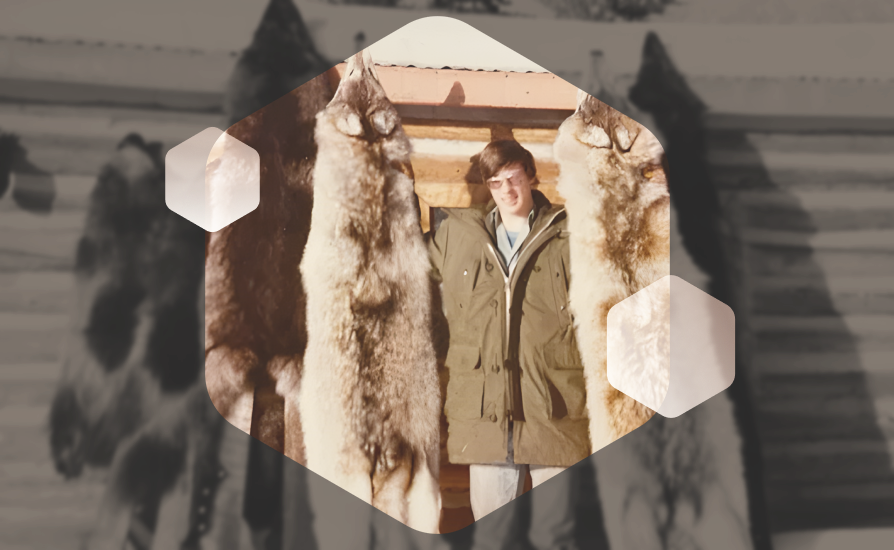
The Indigenous-sourced furs are primarily harvested by my husband George. He supplies the majority of the wild furs for the company and for two winters, I was his full-time assistant. He is of Tlingit ancestry (First Nations/Native) and the trapline we operate has been in his family for generations. In the trapping season (November-March) we run up to 180kms (110mi) of trapline on our two snow machines where we check the dozens upon dozens of traps. Throughout the week, evenings are spent processing hides which makes for very late nights but out of respect for the animals, we do this promptly so that we can return carcasses to the land on our next trip out to check traps (per government regulations). Respect is at the core of how we harvest furs and that extends to how I use the furs in my work.

Living Our Passion
I love that the life we've created for ourselves allows us to do the things we love most. For me that's spinning yarn, weaving, painting, and making jewelry as my job. For George he now operates his trapline profitably and sustainably. We never dread our work, rather we both look forward to the creative processes we both are so passionate about so that when our season operating our gift store in Alaska returns each spring, we're invigorated and inspired. We recognize that this kind of life is a special one and even at the most demanding times (like after working 150+ days straight in the summertime), we are so fortunate to do something that we love so deeply. We give everything we've got whether out on the land, in the studio, or in the store. And to do it with a best friend is the biggest win of all. What a joy.

About the Business
In the beginning, I sold fur and fish-leather jewelry at a few small pop-ups in a friend’s cafe. These were wildly successful so when a tiny retail space came available (65 square feet!) for little more than $200 a month, I tentatively signed the lease and opened the doors. In the time since the first fish-leather earrings were made in 2018 until the time of this writing, we've moved into a larger store, begun selling wholesale, and opened a second retail store in the cruise port of Skagway Alaska. We've been featured in Esquire, Vogue, and Forbes magazines. We’ve also received multiple awards for design and our business practices.
Commitment to Ethical Practices
Early on, as the result of insights shared with me by my then-boyfriend (now-husband) George, we identified that this business had the ability to not just create a collection of fur jewelry that could generate an income to support our family, but also to educate the world on ethically and sustainably sourced, Indigenous-harvested Wild Yukon Fur.
George is an Indigenous fur trapper and he helped me learn about the history of the fur industry in Canada. The current practice of harvesting fur in Canada and in the Yukon is highly regulated by territorial and federal government bodies. By pairing that standard with those of First Nations ways of knowing, doing, and being, I knew we were going to be working together with the fur harvesters to create a product that was entirely unlike anything currently on the market; not only because of its origins but also for the power it had to repair a tiny bit of the systemic inequality that exists for First Nations trappers.
Meet Our Trappers


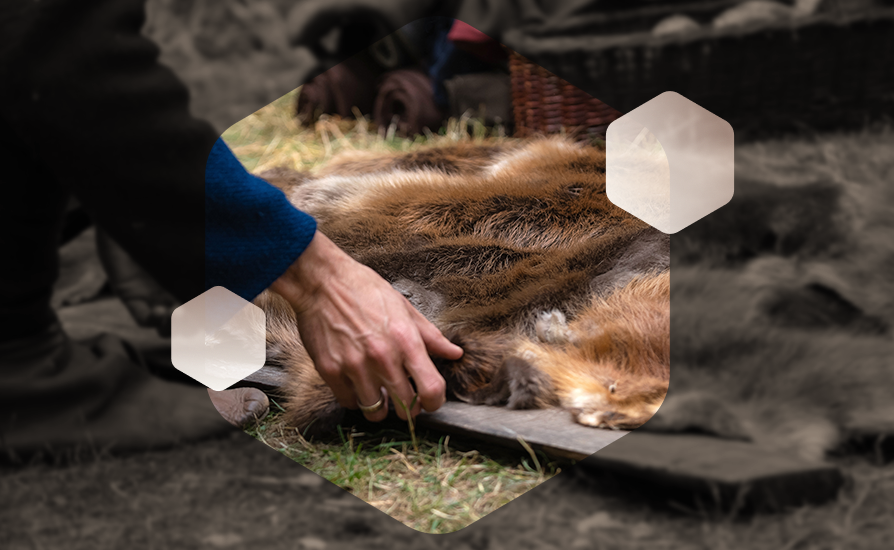
Supporting Indigenous Trappers
The auction houses sell furs on a consignment basis which by the time a sale is closed, the trapper has relinquished the ability to decline an unfavourable price for their furs. While this dynamic negatively affects all trappers, Indigenous or otherwise, the Indigenous trappers are impacted differently by the staggeringly low price furs have been known to sell for at auction. I’ve learned from George that the healing and connection to place and personal history happens on the land in a way that doesn’t occur elsewhere. Trapping is a winter activity and often a costly one so the low return on the sale of furs at auction makes it unsustainable or downright impossible for many trappers to engage in this activity, an industry which existed in Canada long before contact by European settlers.
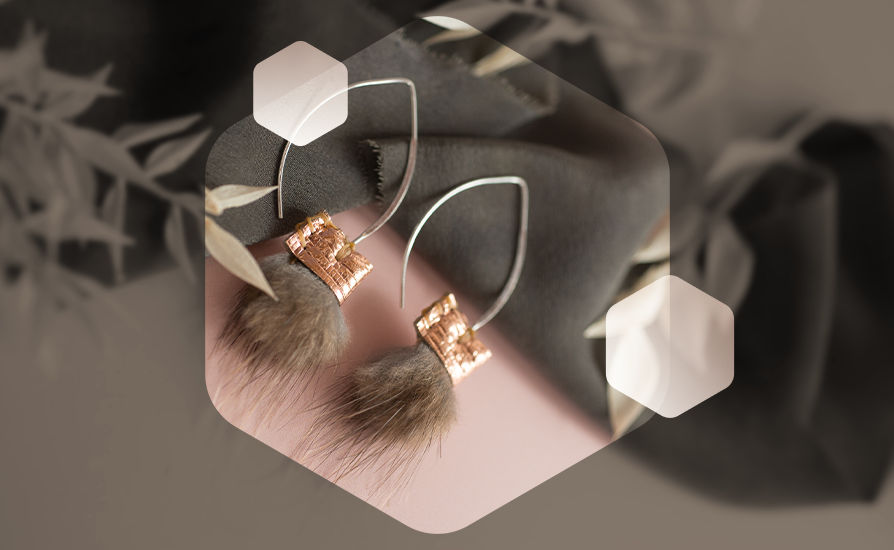
Fair Pricing
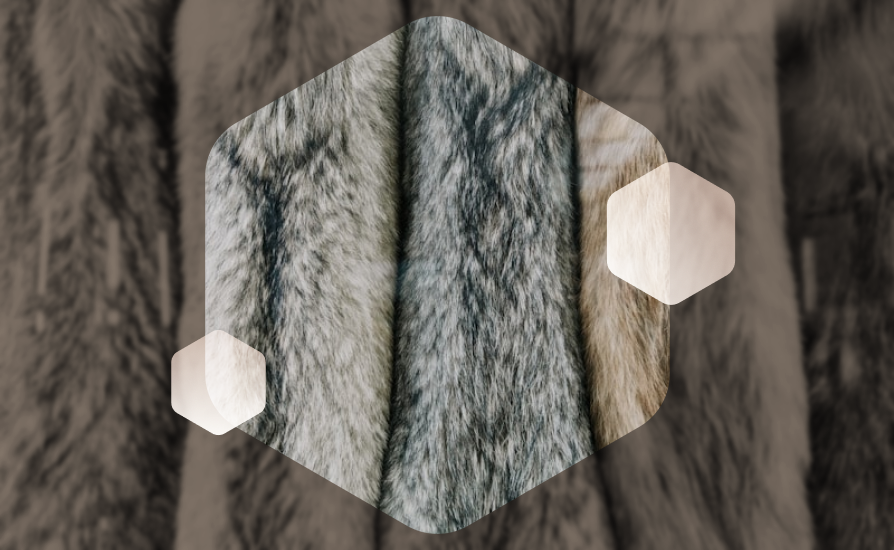
With that knowledge, we research “top lot” prices for previous seasons fur sales and gauge my purchase pricing accordingly. Whenever possible, we're purchasing furs at or near the top lot price rather than at the price most furs had sold for. That’s often a difference between $400 for an untanned lynx pelt rather than $25 which is what is common for auction prices for the same skin. Respecting the animals as we do as well as with the knowledge of the amount of work and cost incurred to harvest the furs is the reason we purchase furs this way. We set the prices at the outset of the season so that trappers can make informed decisions and target furs with that information. It puts power back into the hands of the trapper, without whom we wouldn’t have a thriving business. Success isn't achieved in a vacuum and we recognize that our valuable partnerships with Indigenous fur harvesters are the backbone of our business. We want them to succeed right beside me.
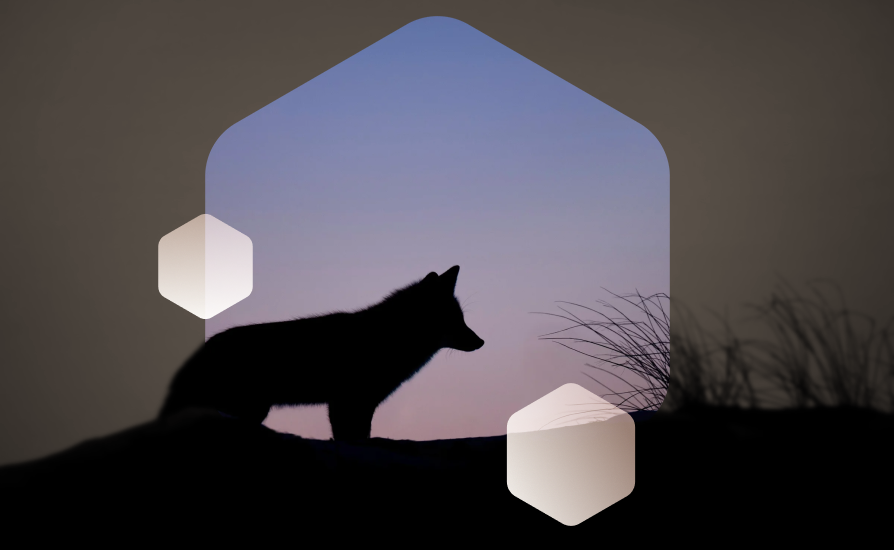
Commitment to Reconciliation
The Truth and Reconciliation Commission has tasked Canadians with reconciling with Indigenous Canadians for the grievous acts of racially-based violence and innumerable misdeeds that occurred when European settlers arrived and which continue today. My hope with buying furs for as close to “top lot” pricing as possible and only from Indigenous trappers can serve to restore some of the systemic inequality that they and others experience. This business is a small one but even the smallest of stones can make ripples in a pond that reach a long, long way.

Growth for the Future
Tell your brand's story through images.